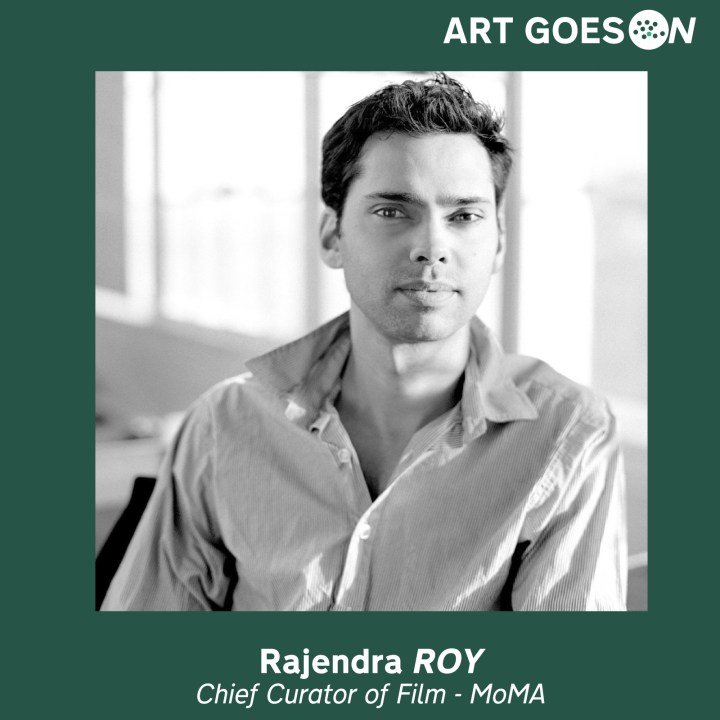
Rajendra Roy is the Chief Curator of Film at the MoMa, he worked on exhibitions such as Wim Wenders, Tim Burton, Bruce LaBruce, Mike Nichols, and was a jury member or in the selection committee of numerous festivals such as Sundance, SXSW and the Berlin film festival.
The Museum of Modern Art’s Department of Film has one of the strongest international collections of motion pictures in the world, totaling more than 30,000 films between the permanent and study collections. (Films by artists like Fernand Léger, Man Ray, Marcel Duchamp, Andy Warhol.)

#RajendraRoy #MuseumOfModernArt #MoMAVirtualViews

MoMA’s Department of Film comprehensive
streaming list to indulge any cinephile’s needs :
https://www.moma.org/magazine/articles/296

MoMA Department of Film on Youtube :
https://bit.ly/3gEg1Z9 

Rajendra’s tips on how to keep discovering while at home:
https://aframe.oscars.org/features/a-dispatch-from-the-covid-19-epicenter 

#Art #AskAGO #ArtGoesON
https://www.instagram.com/askartgoeson/

Recorded on May 5th 2020

Damian Elwes is a British painter born in 1960 who lives in L.A. From a family of famous portrait painters, his grandfather being Queen Elizabeth’s favourite, he studied in Harvard because he was good at maths but learned playwriting. In the early 1980s, Elwes moved to New York, where he met Keith Haring who encouraged him to start painting, and became an early exponent of graffiti. From 1992–2000,  Damian Elwes lived in southern Colombia in a house that he built overlooking a rainforest. There he created four vast, interactive paintings which viewers can walk around inside. His work now focuses on re-creating the studios of famous artists (Picasso, Matisse, Yayoi Kusama, Alex Katz, Keith Haring, Basquiat) through his deep research in documentation and historical records.

https://www.instagram.com/damianelwes/
https://www.damianelwes.com/

#DamianElwes #Art #AskAGO #ArtGoesON
https://www.instagram.com/askartgoeson/

Recorded on May 5th 2020
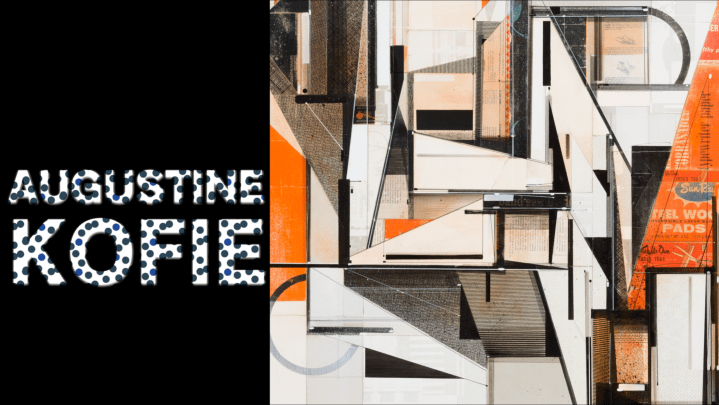
Augustine Kofie définit ce qu’est pour lui un jeune artiste et le travail qu’il doit accomplir. Depuis ses premières commandes, la première exposition à la Zero One Gallery qui a tout fait basculé jusqu’à l’artiste qu’il est devenu aujourd’hui, c’est en autodidacte qu’il s’est construit. Il partage enfin ses envies et l’évolution qu’il souhaite donner à son travail.


Augustine Kofie defines what a young artist is for him and the work he has to accomplish. Since his first commissions, the first exposure to the Zero One Gallery that changed everything to the artist he has become today, he built himself as a self-taught artist. He finally shares his desires and the evolution he wants to give to his work.

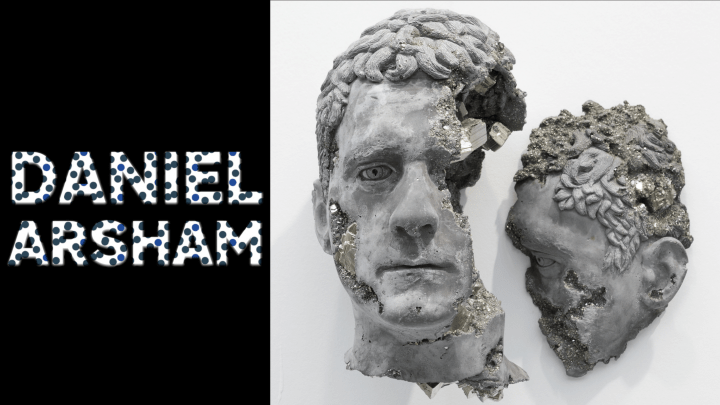
Daniel Arsham a réussi à trouver sa voie dans l’art en sortant de sa zone de confort ou en se confrontant à des exercices inhabituels. Que ce soit par la découverte de films de Salvador Dalí ou ses premiers projet photographiques, sa réflexion sur la conception d’une oeuvre plutôt que sur l’oeuvre en elle même, lui a permis de trouver sa voie. Son travail reste néanmoins très technique et demande un temps de production important. La résolution de contraintes techniques importantes et sa volonté d’inscrire son oeuvre dans des expériences narratives le conduisent à réaliser des installations à grande échelle.
C’est avec recul qu’il conseille ainsi aux jeunes artistes de faire confiance à leur intuition et de ne pas forcément chercher d’éléments rationnels dans la construction de leur oeuvre.


Daniel Arsham has managed to find his way in art by leaving his comfort zone and by facing unusual exercises. Whether by discovering Salvador Dalí’s films or his first photographic projects, his thoughts on the conception of a work rather than on the work itself, allowed him to find his way. His work remains very technical and requires significant production time. The resolution of important technical constraints and his desire to put his work into narrative experiences led him to realize large-scale installations.
It is with hindsight that he advocates for young artists to trust their intuition and not necessarily look for rational elements in the construction of their work.

Daniel Arsham a construit son style sur la base de trois expériences.
Il est né daltonien et, très tôt dans sa carrière, ses oeuvres sont restées monochromes. Partant de nuances allant du noir au blanc, il s’est peu à peu aventuré dans la couleur grâce à des verres lui permettant de voir des teintes plus variées.
C’est en faisant le rencontre de Merce Cunningham qu’il s’initie au design architectural en construisant les décors de scène des spectacles du grand chorégraphe.
Enfin, c’est un voyage sur l’Île de Pâques qui lui fait découvrir des vestiges archéologiques et l’inspire pour développer son oeuvre et ses installations autour de la perception du temps. Cette terre volcanique a orienté ses sculptures vers des matériaux tels que le cristal, la cendre ou différents minéraux et gemmes.


Daniel Arsham built his style on three experiences.
He was born colorblind and, very early in his career, his works remained monochrome. Starting from shades going from black to white, he has gradually ventured into color thanks to glasses allowing him to see more varied shades.
It is by meeting Merce Cunningham that he got initiated to architectural design by constructing the sets of the stage of the great choreographer’s shows.
Finally, a trip to Easter Island allowed him to discover archaeological remains and inspired him to develop his work and installations around the perception of time. This volcanic land has oriented his sculpture towards materials such as crystal, ash or different minerals and gems.