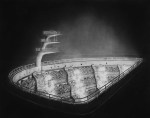
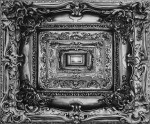
Gonzalo Fuenmayor a rรฉussi ร  sโ€™affranchir des clichรฉs de la peinture latino-amรฉricaine tout en gardant ses racines Colombienne. Nรฉ ร  Barranquilla au nord de la Colombie, il a รฉtudiรฉ lโ€™art ร  New York puis ร  Boston oรน, seul immigrรฉ, ses camarades attendaient de lui une peinture flamboyante et colorรฉes. Ce qui se traduisait dans ses premiรจres oeuvres:

โ€œJโ€™รฉtais le peintre qui utilisait une palette colorรฉe, faisant de moi le latino qui se dรฉmarquait des autresโ€.

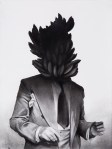
Il รฉtait mรชme connu sous le pseudo de Banana Man car ce fruit รฉtait prรฉsent dans la plupart de ses dessins. Fatiguรฉ de faire ce quโ€™on attendait de lui, deย โ€œs’exotiser lui-mรชmeโ€, ilย a supprimรฉ la couleur de son travail pour ne sโ€™exprimer quโ€™en noir et blanc, en utilisant le fusain. Un maniรจre pour lui dโ€™engager le dialogue par lโ€™image plutรดt que par un schรฉma de couleur associรฉ ร  sa culture. La banane, quโ€™il conserve, devient le symbole de la violence que son pays a connu au dรฉbut du XXรจme siรจcle. Il se rรฉfรจre notamment ร  Gabriel Garcia Marquez et son roman Cent ans de Solitude qui รฉvoque le Massacre des bananeraies de 1928. Ses dessins nous rappellent cette pรฉriode oรน lโ€™entreprise amรฉricaine United Fruit sโ€™est installรฉe en Amรฉrique centrale. Une aubaine รฉconomique ร  double tranchant qui a ร  la fois enrichi le pays et semรฉ le trouble dans le milieu ouvrier. Un sujet qui a touchรฉ plus dโ€™un artiste. On est transportรฉ dans de vastes piรจces richement dรฉcorรฉes dans un style victorien oรน lโ€™on sentirait presque le cigare et le rhum. Un confort perturbรฉ par un bananier invasif qui provoque lโ€™embarras. Ou encore des rรฉfรฉrences au rรชve amรฉricain : super hรฉros, business men ou logos de studios hollywoodiens dรฉtournรฉs pour dรฉnoncer leur promesse illusoire.

โ€œMon travail est ร  propos de lโ€™anxiรฉtรฉ provoquรฉe par le fait dโ€™รชtre un รฉtranger qui ne vit pas dans son pays.โ€

Gonzalo Fuenmayor vit dรฉsormais ร  Miami, peut-รชtre une faรงon dโ€™avoir moins le mal du pays et dโ€™รชtre moins influencรฉ par son statut exotique.

P.M.


Gonzalo Fuenmayor managed to overcome the stereotypes of Latin American painting while keeping his Colombian roots. Born in Barranquilla in northern Colombia, he studied art in New York and in Boston where, being the only immigrant, his comrades expected from him flamboyant and colorful paintings. Which resulted in his first works:

“I was the painter using colorful palette that made me the latin american sort of standing out in the crowd”

He was even known as the Banana Man because the fruit was present in most of his drawings. Tired of what was expected from him, of “exoticizing himself”, heย removed the color from his work shifted to black and white, using charcoal. A way for him to engage the conversation with imagery rather than with a color scheme associated with his culture. The banana, that he kept in his work, is the symbol of the violence that his country had experienced in the early twentieth century. He is referring in particular to Gabriel Garcia Marquez and his novel One Hundred Years of Solitude that evokes the Banana massacre in 1928. His drawings remind us of a time when the American company United Fruit settled in Central America. A double-edged economic godsend that has both enriched the country and caused confusion among the workers. A topic that has affected more than one artist. We are then transported in large rooms elaborately decorated in Victorian style where one could almost feel the cigar and rum. A comfort disturbed by invasive banana tree that causes embarrassment. Or references to the American dream: superheroes, businessmen or Hollywood studio logos diverted to denounce their illusory promise.

โ€œIโ€™m making work about the anxiety of being from another country and living in another.”

Gonzalo Fuenmayor lives now in Miami, maybe a way to be less homesick and to feel less influenced by his exotic state.

P.M.

Lโ€™artiste Claire Morgan native dโ€™Irlande du Nord a รฉtรฉ invitรฉe par les musรฉes dโ€™Angers ร  rรฉaliser une sculpture monumentale en รฉcho ร  la tapisserie le Chant du Monde de Jean Lurรงat. Le rรฉsultat est une oeuvre de 8 mรจtres de long qui est une interprรฉtation contemporaine de lโ€™Apocalypse. Sur un sujet trรจs cher ร  lโ€™artiste, Plenty More Fish in the Sea dรฉnonce notre surconsommation et notre aviditรฉ au mรฉpris des consรฉquences sur notre planรจte. Elle reprรฉsente des animaux (renard, bรฉcasse, pigeon et canard), ร  notre image, se noyant dans des dรฉchets qui sโ€™accumulent. Lร  oรน Jean Lurรงat sโ€™รฉtait inspirรฉ en son temps de la bombe atomique et de son usage pendant la Seconde Guerre mondiale, Claire Morgan prend exemple sur le dรฉsastre รฉcologique et humanitaire dโ€™aujourdโ€™hui. Un dรฉsastre auquel nous assistons, dont nous sommes responsables et face auquel nous agissons peu car nous sommes prisonniers de nos dรฉsirs futiles et que, quoiquโ€™il en soit, un de perdu dix de retrouvรฉ (i.e. there are Plenty More Fish in the Sea). Lโ€™exposition se tient jusquโ€™au 6 novembre 2016.


The North Irish artist Claire Morgan was invited by the Angers museums to create a monumental sculpture echoing the tapestry Le Chant du Monde by Jean Lurcat. The result is a work of 8 meters long which is a contemporary interpretation of the Apocalypse. On a subject very dear to the artist, Plenty More Fish in the Sea denounces our consumption and our greed without regards on the consequences on our planet. It represents animals (fox, woodcock, pigeon and duck), modelled on us, drowning themselves in accumulated waste. Where Jean Lurcat was inspired on his time by the atomic bomb and its use during World War II, Claire Morgan takes its cue from todayโ€™s ecological and humanitarian disaster. A disaster we are witnessing, that we are responsible for and against which we poorly act just because we are prisoners of our futile desires and that whateve, there are Plenty More Fish in the Sea. The exhibition runs until November 6, 2016.

Apichatpong Weerasethakul nous explique dans cette derniรจre partie les doutes dans sa carriรจre, mรชme aprรจs avoir gagnรฉ le Prix du jury au Festival de Cannes. Il nous explique ensuite comment il est arrivรฉ ร  lโ€™art vidรฉo, qui finalement a pris plus de volume que le cinรฉma. Avant dโ€™รฉvoquer son prochain projet de film qui pour la premiรจre fois se dรฉroulera hors de son pays, il donne des conseils sur comment trouver sa voie en tant quโ€™artiste.

โ€œMรชme lorsque je suis allรฉ ร  Cannes pour la deuxiรจme fois avec Tropical Malady, en 2004, je me demandais si je faisais un vrai mรฉtier.โ€

โ€œEn fait je fais plus dโ€™art vidรฉo que de cinรฉma mais les gens ne le savent pas.โ€

โ€œJe pense quโ€™aussi bien pour le cinรฉma que pour lโ€™art vidรฉo, รงa correspond ร  ce que je veux exprimer, symboliquement ou pas, sur la vie en Thaรฏlande.โ€

โ€œJ’ai essayรฉ de trouver la frontiรจre entre rรฉalitรฉ et fiction. En fait il faut trouver la rรฉponse ร  cette question. Evidemment en cherchant cette rรฉponse vous regardez le travail d’autres artistes, ce qu’ils ont fait. Et lร , ce que je recommande, et que je fais moi-mรชme, cโ€™est dโ€™intรฉgrer son expรฉrience personnelle dans son travail. Et ร  force dโ€™intรฉgrer votre propre expรฉrience, lโ€™influence de vos artistes modรจles diminuera. Sโ€™installera alors une relation authentique entre votre expรฉrience et ce que vous aimez rรฉellement. ร‡a nous permet de comprendre quelle chose nous manquerait le plus si elle nโ€™existait pas.โ€

โ€œMon cinรฉma est en train dโ€™atteindre ses limites en Thaรฏlande. Je commence ร  craindre la censure qui affecte ma crรฉativitรฉ et ma prise de dรฉcision.โ€


Apichatpong Weerasethakul explains in this last part the doubts in his career, even after winning the Jury Prize in the Cannes Film Festival. He then explains how he came to video art, which ultimately took more volume than cinema. Before discussing his next film project which for the first time will take place outside his country, he gives advice on how to find his way as an artist.

โ€œEven when I went to Cannes for the second time for Tropical Malady, in 2004, I still ask myself : is this a real profession?โ€

โ€œIn fact I do video art more than cinema but people donโ€™t know that.โ€

โ€œI think for both cinema and vidรฉo art, itโ€™s pretty much what I want to say, either symbolically or not, about living in thailand.โ€

“I tried to find the line between reality and fiction. You just have to find the path to this question. Obviously seeking the answer, you look at the work of other artists, what they did. And here’s what I recommend, and I’m doing myself, is to integrate personal experience in your work. And through integrating your own experience, the importance of your reference artists will decrease. And you will feel the genuine relationship between your experience and what you really love. It allows us to understand what thing would miss most if it did not exist.”

โ€œMy cinema starts to reach its limit in Thailand. I start to feel that censorship affects my creativity and decision making.โ€

Le photographe Jรฉrรดme Bryon est comme un enfant unique qui peut, tout seul, inventer un univers ร  partir deย presque rien. Il a dรฉbutรฉ sa carriรจre dans la publicitรฉ ร  rendre lโ€™ordinaire beau. Cโ€™est aprรจs quelques voyages et quelques clichรฉs dans les vastes paysages dโ€™Australie et des Etats Unis quโ€™il trouve une nouvelle libertรฉ de crรฉation. Il poursuit alors ce travail sur les paysages oรน lโ€™homme nโ€™a que trรจs peu laissรฉ son empreinte ; dans des territoires quasi vierges, dans une recherche dโ€™isolement comme pour faire table rase de sa vie antรฉrieure, se dรฉbarrasser de sa dรฉformation professionnelle. Dans sa derniรจre sรฉrie, โ€œGrand Sudโ€, il est allรฉ ร  cotรฉ de chez lui prรจs de Montpellier sur des parkings dโ€™hypermarchรฉ. Lร , il donne au banal une nouvelle dimension : des coins de parking deviennent des paysages sans limite, des bouts de roche insignifiants se transforment en montagne. โ€œLa photograhie est tout simplement ma thรฉrapie, mon divan. Plus je cultive ce terrain, plus je me sens ย fort.โ€ On comprend alors le titre de la monographie consacrรฉe ร  son travail : Possibilitรฉ de Survie en Milieu Hostile.

P.M.


The photographer Jerome Bryon is like an only child who can, alone, create a universe with almost nothing. He began his career in advertising, making beautiful goods from common ones. It was after a few trips and a few shots in the vast landscapes of Australia and the United States that he found a new creative freedom. He then continued this work on landscapes where man has barely left his mark; in almost virgin territories, in search of isolation as to make a clean sweep of his former life, to get rid of his professional quirk. In his latest series, “Grand Sud”, he went near his home near Montpellier on hypermarket car parks. Here he gives the banal a new dimension: the parking corners become limitless landscapes, insignificant rock scraps turn into mountains. “Photograhy is simply my therapy, my shrink couch. The more I cultivate this field, the stronger I feel.” We now understand the title of the monograph dedicated to his work : Survival Possibility in Hostile Environment.

P.M.

Lโ€™artiste plasticien thaรฏlandais Apichatpong Weerasethakul est davantage connu comme rรฉalisateur. Considรฉrรฉ comme le plus brillant de sa gรฉnรฉration dans son pays, il est reconnu internationalement aprรจs avoir remportรฉ de multiples rรฉcompenses dont la Palme dโ€™Or au Festival de Cannes en 2010. Nous dรฉcouvrons dans cette premiรจre vidรฉo comment, nรฉ de parents mรฉdecins dans une petite ville du nord de la Thaรฏlande, il a pu trouver sa voie. Il nous explique pourquoi, voulant dโ€™abord devenir vรฉtรฉrinaire, il a suivi des รฉtudes dโ€™architecture avant de devenir lโ€™artiste et le cinรฉaste dโ€™aujourdโ€™hui.

โ€œJe sais qu’ils auraient voulu que l’un de nous reprenne leur activitรฉ car ils avaient une clinique en ville. Mais ils ne m’ont jamais poussรฉ ร  suivre cette voie. Mรชme si la mรฉdecine a pu m’intรฉresser ร  une pรฉriode. J’ai mรชme voulu devenir vรฉtรฉrinaire. Et mรชme dentisteโ€ฆโ€
A propos de ses parents

โ€œLes histoires de fantรดmes et la science-fiction. Ces genres ont l’air รฉloignรฉs, mais pour moi font partie du mรชme univers. Un univers magique et parfois intangible. J’adore cette notion qui n’est pas dans le prรฉsent mais dans les souvenirs ou dans le futur.โ€

โ€œJ’ai toujours pensรฉ que le divertissement, que ce soit les films ou le thรฉรขtre, faisait partie de la thรฉorie architecturale. J’ai donc fait mes รฉtudes dans ce domaine et je me suis rendu compte que c’รฉtait un formidable processus d’apprentissage. Apprendre le cinรฉma ร  travers l’architecture, tout ce qui est liรฉ au temps et ร  l’espace, est tout ร  fait pertinent.โ€

P.M.


The Thaรฏ visual artist Apichatpong Weerasethakul is better known as a director. Considered the most brilliant of his generation in his country, he is internationally recognized after winning multiple awards including the Palme d’Or at the Cannes Film festival in 2010. We discover in this first video how, born to two doctors in a small city in northern Thailand, he was able to find his way. He explains why, wanting first to become a veterinarian, he studied architecture before becoming the artist and filmmaker we know today.

“I know they would have wanted one of us to take over their activity as they had a clinic in town. But they never pushed me to follow this path. Although medicine interested me in some point. I even wanted to become a veterinarian. And even dentist … “
About his parents

“Ghost stories and science fiction. These genres seem totally different, but for me theyโ€™re part of the same universe. A magical and sometimes intangible universe. I love this concept that is not present time but either in the memories or in the future. “

โ€œI always thought that entertainment, whether it be movies or theater, was part of the architectural theory. So I did my studies in this field and I realized that it was a great learning process. Learn cinema through architecture, everything that is related to time and space, is very relevant. “

P.M.