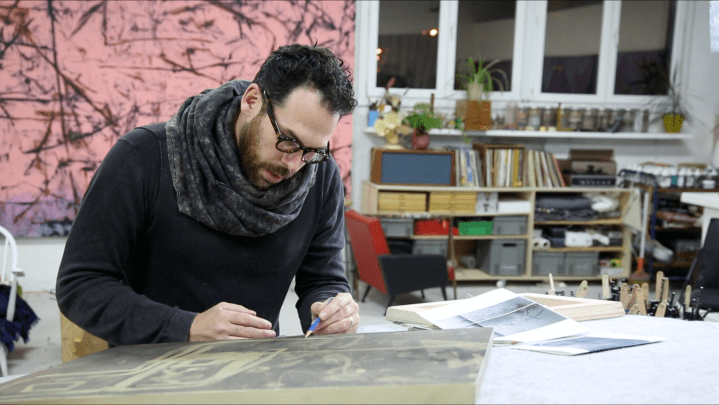
Nous avons rendu visite à Raúl Illarramendi dans son studio près de Paris pour en apprendre davantage sur son processus de création. Raúl est un dessinateur contemporain vénézuélien né en 1982 à Caracas. Il a commencé sa formation artistique en 1998 au Venezuela en tant qu’assistant de studio pour le peintre Felix Perdomo, professeur de dessin à l’École des Beaux-Arts. Il est ensuite devenu membre du «Circulo de Dibujo Libre» du Musée Sofia Imber d’art contemporain, un collectif d’artistes plasticiens qui réfléchit sur la théorie et la pratique du dessin. De 2001 à 2005, il est allé aux États-Unis, à l’Université du Sud de l’Indiana à Evansville et a obtenu un BA en beaux-arts et en histoire de l’art. Il a également obtenu son Master en arts visuels à l’Université Jean Monnet de Saint-Étienne, en France.

Ayant débuté par le dessin figuratifs, une rencontre avec une toile de Francis Bacon a changé son regard sur l’art. Il réalise aujourd’hui des dessins abstraits à partir de photographies qu’il prend dans la rue ou sur Internet. Il y consacre beaucoup de temps et d’énergie, non seulement en reproduisant une image mais aussi en refaisant le geste du dessinateur d’origine.


We paid Raúl Illarramendi a visit and went to his studio near Paris to learn about his creative process. Raúl is a Venezuelan contemporary drawer born in 1982 in Caracas. He began his artistic training in 1998 in Venezuela as a studio assistant to the painter Felix Perdomo, a drawing teacher at the School of Fine Arts. He then became a member of the Circulo de Dibujo Libre (Circle of Free Drawing) of the Sofia Imber Museum of Contemporary Art, a collective of visual artists reflecting on the theory and practice of drawing. From 2001 to 2005 he went to the United States, at the University of Southern Indiana in Evansville and graduated with a BA in Fine Arts and Art History. He also obtained his Master’s degree in Visual Arts at Jean Monnet University in Saint-Étienne, France.

Starting with figurative drawings, an encounter with a painting by Francis Bacon changed his view on art. He now makes abstract drawings based on photographs he takes in the streets or browse on the internet. He puts a lot of time and energy on it by not only reproducing an image but also the gesture of the original drawer.
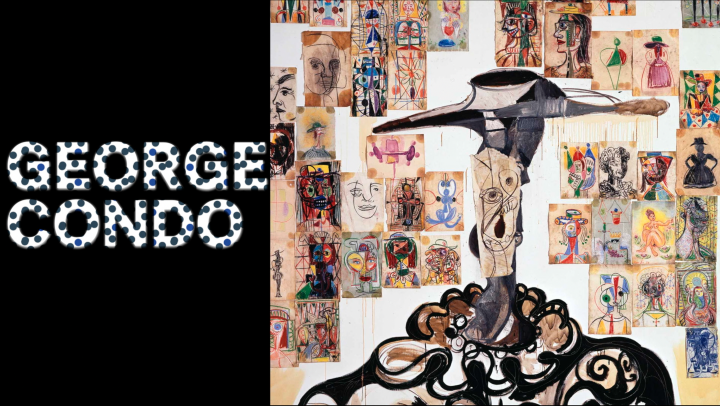
George Condo arrive chez son frère à Boston et y travaille dans un atelier de sérigraphie. Il rencontre alors Mark Dagley qui lui propose de rentrer dans son groupe punk. Entre concerts sur le campus de Harvard et dans des clubs alternatifs de New York où il rencontre Basquiat, Condo décide de déménager définitivement dans la Grosse Pomme fasciné par son énergie artistique.

Sa culture littéraire et ses compétences en sérigraphie le mènent jusqu’à l’atelier d’Andy Warhol où il travaille comme assistant. Très ami avec Basquiat, il fréquente le milieu underground, les premiers rappeurs et artistes graffiti. Il peint beaucoup et commence à exposer ; Keith Haring et Warhol achètent ses toiles.

Souhaitant développer son propre style et se démarquer du courant new yorkais du moment mené par Schnabel ou David Salle, il part pour l’Europe. Là il découvre les toiles de maîtres au Louvre et au Prado et fréquente les milieux littéraires et philosophiques de Paris. Il développe alors le Réalisme Artificiel qui définira son oeuvre des vingts années qui suivront.


George Condo arrives at his brother’s home in Boston and works in a silkscreen factory. He then meets Mark Dagley who offers him to join his punk band. Between concerts on the Harvard campus and alternative clubs in New York where he meets Basquiat, Condo decides to move permanently in Big Apple, fascinated by its artistic energy.

His literary culture and silkscreen skills leads him to Andy Warhol’s studio where he works as an assistant. Very good friend with Basquiat, he frequents the underground milieu and meets the first rappers and graffiti artists. He paints a lot and begins to exhibit; Keith Haring and Warhol buy his paintings.

Wishing to develop his own style and to stand out from the current New York trend led by Schnabel or David Salle, he leaves for Europe. There he discovers the old masters in the Louvre and the Prado and rub shoulders with the literary and philosophical intellectuals of Paris. He then develops the Artificial Realism, a style that will define his work for the next twenty years.


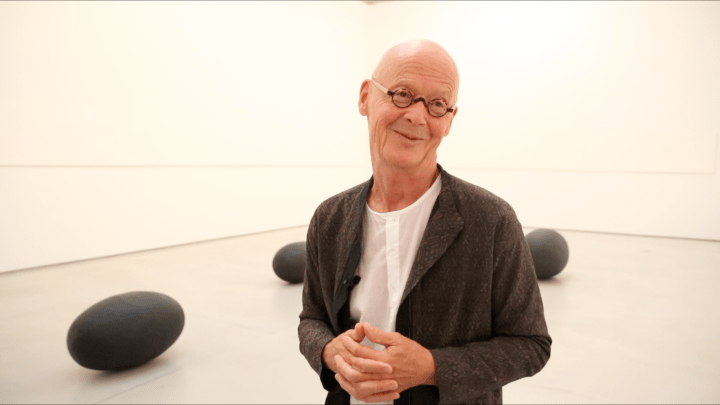
Wolfgang Laib est un artiste dont la pratique est inextricable de son mode de vie modeste et hermétique. Fils de docteur, il entame des études de médecine. Passionné de philosophie asiatique, ses parents lui font découvrir l’art tantrique et l’emmènent en Inde. C’est après ce voyage qu’il réalise son premier oeuf en granit noir, un Brahmanda, et qu’il décide qu’il sera artiste et non docteur.


Wolfgang Laib is an artist whose practice is inextricable in his modest and hermetic way of life. Son of doctor, he began studying medicine. Passionate about Asian philosophy, his parents made him discover tantric art and took him to India. It is after this journey that he realizes its first egg in black granite, a Brahmanda, and decides that he will become an artist and not a doctor.


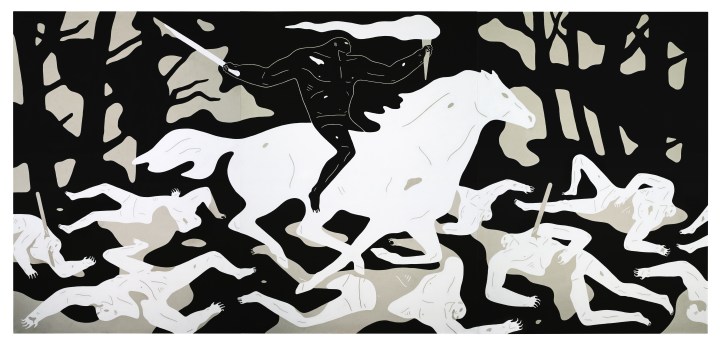
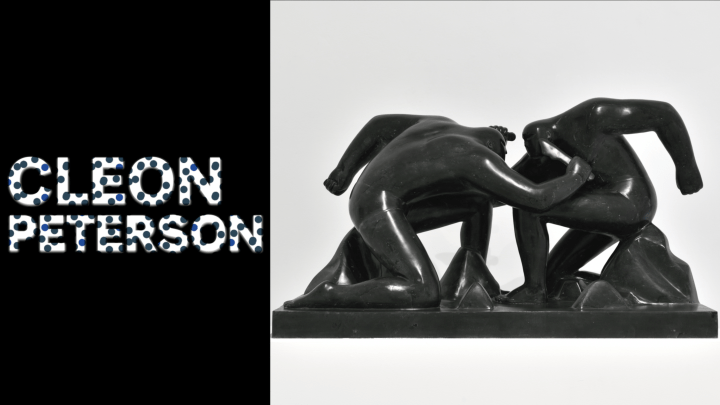
Cleon Peterson nous livre enfin sa vision de l’artiste. Cette carrière est un chemin de longue haleine qu’il faut arpenter sans faire de compromis et sans attendre d’être récompensé. Parfois la chance vous aide mais il faut aussi savoir saisir les opportunités qui se présentent.


Cleon Peterson finally gives us his vision of the artist. This career is a long-term path that must be stridden across without compromise and without expecting any reward. Sometimes you get lucky but you also have to know how to seize the opportunities.